🔄 Last reviewed 9 October 2026 by the editorial team • how we research • independent, affiliate-funded
Short answer
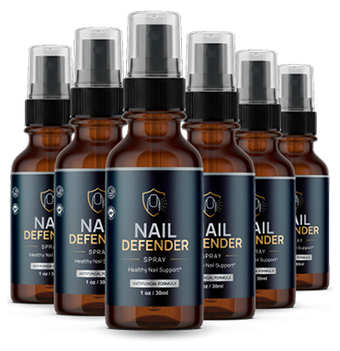
Nail Defender™ names six ingredients and publishes an amount for none of them. They are: undecylenic acid (from castor oil), clove bud oil, lavender flower oil, aloe leaf extract, a nourishing blend of sweet almond, jojoba, chia seed and linseed oils, and vitamin E as DL-alpha-tocopheryl acetate. Naming everything beats a proprietary blend — but without numbers, no study can be matched to this bottle and no competitor can be compared against it. 🔍
1. Undecylenic acid 🌰
The headline ingredient, and the most interesting one on the label.
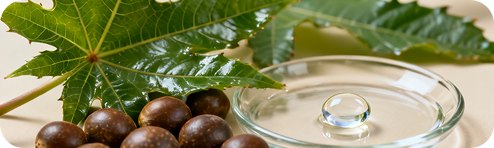
It is an unsaturated fatty acid, usually produced from castor oil. In the United States it is a recognised over-the-counter antifungal active — which is a real regulatory status, not a marketing word, and it is why the bottle carries an “antifungal formula” badge.
Three things have to be said alongside that:
- Its recognised over-the-counter uses are skin conditions — athlete's foot, jock itch, ringworm of the body. Nail infections are a different and harder problem. The CDC's ringworm page groups the family of infections together and explains how nail infections differ.
- Nail Defender™ publishes no concentration. An antifungal active is defined by its strength, and here there is no number and no Drug Facts panel — just the cosmetic-style disclaimer. The FDA's cosmetic-versus-drug guidance is the clearest explanation of where that line sits.
- Nail plate is dense keratin. Getting anything through it is the central difficulty of nail treatment by any route, which is why confirmed nail infections are usually managed with prescription products. 🧱
So: a genuine ingredient, in an unknown amount, in a product sold as cosmetic nail care. Interesting and unverifiable — which is exactly how we will describe it. ⚖️
2. Clove bud oil 🌿
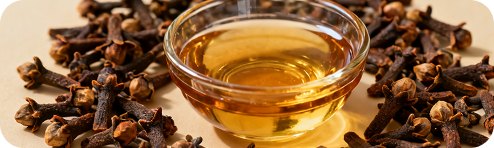
Pressed from the buds of Eugenia caryophyllata and rich in eugenol, the compound responsible for its warm, dental-surgery-adjacent smell. Clove has a long history in traditional use and some laboratory interest, and NCCIH's Herbs at a Glance is the right place to read an agency summary rather than a supplement blog's.
In a cosmetic nail spray it contributes scent and the general “clean” character of the formula. Undiluted clove oil can irritate skin, which is one reason concentration would be useful to know. 🔍
3. Lavender flower oil 💜
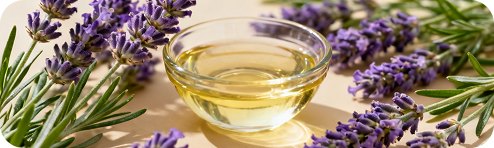
Lavandula angustifolia. Let us be straightforward: this is largely a fragrance and comfort ingredient, and it is a big part of why the spray smells pleasant rather than medicinal — which matters more than it sounds, because a product that smells bad gets used less.
NCCIH covers what the evidence supports for lavender generally, which is mostly around relaxation and aroma rather than nails. Essential oils are also among the more common contact allergens, so see the patch test note. 🌿
4. Aloe leaf extract 🌺
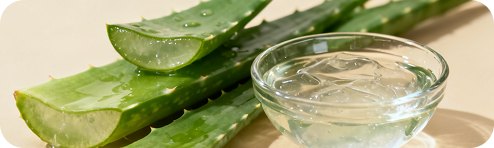
From the inner gel of the aloe leaf, and one of the longest-established skin-soothing ingredients in cosmetics. NCCIH is candid that evidence varies a great deal by use.
Its job here is the skin around the nail rather than the nail plate: the cuticle, the fold, the fingertip skin that cracks in winter. That is a realistic and achievable goal, and it is probably the effect you will notice soonest. 💧
5. The nourishing oil blend 🫒
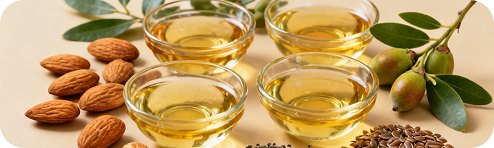
Four oils under one name: sweet almond, jojoba, chia seed and linseed.
These are the emollient layer. Jojoba is technically a liquid wax and is unusually close to human sebum, which is why it sits so well on skin. Almond oil is a classic cosmetic emollient. Chia and linseed bring omega-3 fatty acids.
Collectively they are the reason the surrounding skin feels softer with daily use rather than drier. They are also the ingredients most likely to go rancid, which is where vitamin E earns its place. 🛢️
One allergy note that genuinely matters: sweet almond is a tree nut oil. If you have a tree nut allergy, this is a conversation with your doctor before you buy. 🌰
6. Vitamin E ✨
Listed as DL-alpha-tocopheryl acetate — the stable, esterified form used throughout cosmetics. The NIH vitamin E fact sheet is the reference for vitamin E generally, though that fact sheet is about dietary intake rather than topical use.
It is doing two jobs here. As a skin-conditioning antioxidant it is a standard cosmetic inclusion. Just as importantly, it helps protect the plant oils in the bottle from oxidising — a formulation function rather than a benefit to you, but a necessary one in an oil-based product. 🧴
What the label does not say 🤐
Key takeaways 📌
- All six ingredients are named — better than a proprietary blend. ✅
- Not one of them carries an amount or a percentage. 🤐
- Without a strength, undecylenic acid cannot be assessed as an active. 🧪
- No study in the literature can be matched to this specific bottle. 📚
- Sweet almond oil means this is not suitable for tree nut allergy. 🌰
Credit where it is due: naming all six ingredients is better than the “proprietary blend” dodge used across half this industry. But naming is not quantifying, and the gap between the two is where every unverifiable claim lives. ⚖️
We are not calling this a bad product. We are saying that the information needed to judge it as anything more than a pleasant daily nail cosmetic is not published — so that you can price that uncertainty yourself rather than discovering it later. 🤝
Allergy and patch testing ⚠️
This is a botanical formula applied to skin, so allergy is a real consideration rather than boilerplate:
- 🌰 Tree nut allergy — sweet almond oil is in the blend.
- 🌿 Essential oil sensitivity — clove and lavender are both recognised contact allergens for some people.
- 🌺 Aloe — uncommon, but reactions happen.
How to patch test: put a small amount on the inside of your forearm, leave it 24 hours, and watch for redness, itching or swelling. It costs a day and it is worth it before you start spraying ten toes twice a day. 🧪
Stop using it and seek advice if you get persistent redness, burning, swelling or a rash. And if you have diabetes, neuropathy or poor circulation, NIDDK explains why foot and nail products deserve a conversation with your healthcare team first. 🏥